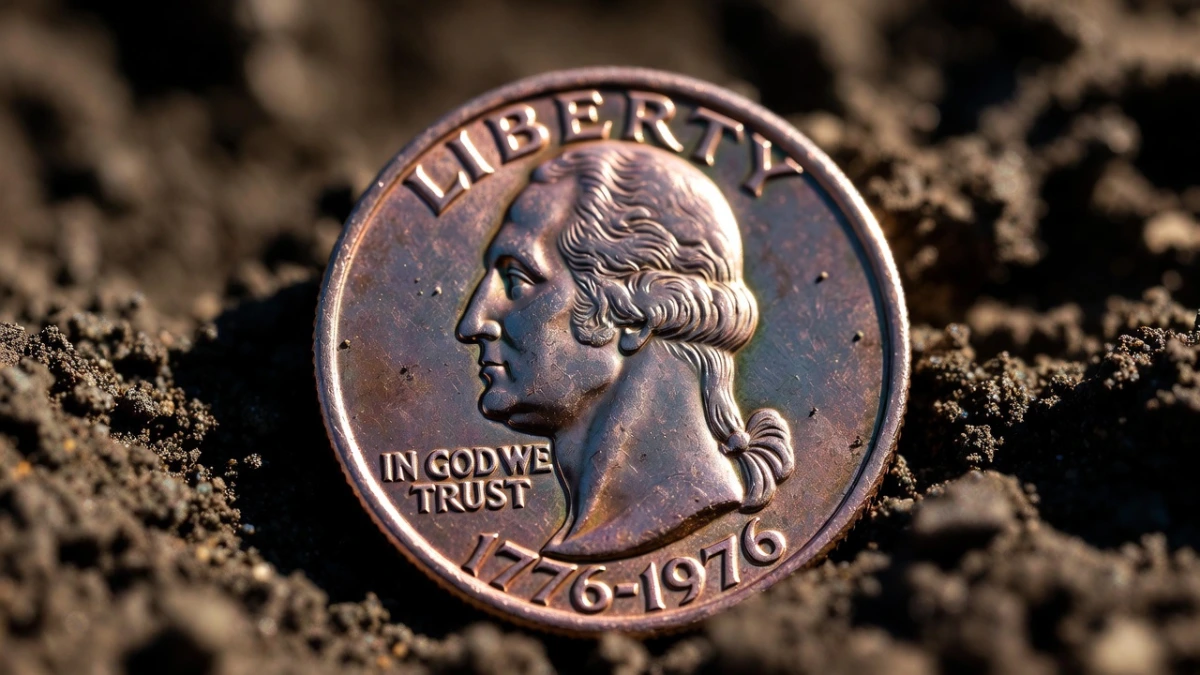
The 1976 Bicentennial Quarter remains one of the most iconic coins in U.S. history. Minted to celebrate the 200th anniversary of American independence, this coin carries a unique design that sets it apart from standard quarters.
While millions were produced, certain varieties and rare examples have gained significant attention among collectors and investors. Understanding which 1976 quarters are valuable, how to identify them, and what affects their worth can help both casual collectors and serious numismatists make informed decisions.


Why the 1976 Bicentennial Quarter Matters
The 1976 Bicentennial Quarter is more than just currency; it is a symbol of national pride. Featuring a colonial drummer on the reverse and the dual date “1776–1976,” the design captures the spirit of independence. Beyond its historical significance, collectors are drawn to this coin for its potential value.
While the majority of Bicentennial quarters remain in circulation, rare varieties, mint errors, and high-grade specimens can fetch prices well above face value. For those interested in numismatics, knowing which quarters to hold onto can be financially rewarding and intellectually satisfying.
Key Varieties of 1976 Bicentennial Quarters
Although millions of these quarters were produced, several varieties are considered more valuable due to rarity or unique features. One notable variety is the proof version, which was struck with special care at the Denver or Philadelphia Mints. Proof coins exhibit a mirror-like finish, sharp detail, and high contrast, making them highly desirable among collectors.
Another important category is the silver-clad versions, minted in 40% silver and often included in special collector sets. Unlike standard clad quarters, these silver pieces retain intrinsic metal value, which increases over time as silver prices fluctuate.
Identifying Rare and Valuable Coins
Spotting valuable 1976 Bicentennial quarters requires careful attention to detail. The first step is examining the coin’s condition. Coins in uncirculated or mint state condition typically command higher prices. Signs of wear, scratches, or discoloration can significantly reduce value. Another factor to consider is mint marks.
Quarters from the Denver Mint carry a “D,” while Philadelphia coins have no mint mark. Proof coins are distinguished by their flawless surfaces and sharp designs. Rare mint errors, such as double-dies or misstrikes, can also dramatically increase a coin’s value. Collectors often rely on magnification and reference guides to verify authenticity and rarity.
Factors Influencing Collector Value
Several factors contribute to the market value of a 1976 Bicentennial Quarter. Condition and rarity remain the most critical elements, but provenance and demand also play a role. Coins with a verified history of ownership or those part of a limited set often sell for higher prices.
Market trends, including the rising interest in U.S. coins and precious metals, influence demand and pricing. While most circulated quarters are worth only their face value, well-preserved examples, especially those with errors or silver content, can reach hundreds of dollars in auctions or private sales.
Tips for Collectors and Investors
Collectors looking to acquire valuable 1976 Bicentennial quarters should approach purchases strategically. Always verify the coin’s authenticity through reputable sources or professional grading services. Storing coins in protective holders can prevent damage and preserve value.
For investors, understanding market trends, silver prices, and numismatic demand is crucial. Joining coin clubs or online forums can provide insights and networking opportunities. Patience and careful research are key; rare coins often appreciate gradually over time, making informed buying and selling decisions essential for long-term gains.
Conclusion: Preserving History and Value
The 1976 Bicentennial Quarter is a fascinating blend of history, art, and investment potential. By recognizing rare varieties, understanding market influences, and carefully preserving coins, collectors can enjoy both the historical significance and financial rewards of these unique quarters.
Whether you are a casual hobbyist or a serious investor, paying attention to detail, verifying authenticity, and tracking market trends will help you make informed decisions about your collection. These quarters are more than money—they are pieces of American heritage that continue to inspire and captivate collectors today.


