The 1776–1976 Bicentennial Quarter isn’t just a coin—it’s a piece of American history you can hold in your hand. Released to commemorate the 200th anniversary of the United States, this unique quarter quickly became a collector’s favorite.
While many people still use it for everyday transactions, some rare versions have quietly become highly valuable treasures. In this guide, we’ll explore the history, design, rare varieties, and tips for spotting a true collectible so you can determine if a hidden treasure is sitting in your pocket.

History of the Bicentennial Quarter
The Bicentennial Quarter was issued in 1975 and 1976 to celebrate America’s 200th anniversary. Instead of the usual Washington Quarter design, the coin featured a special reverse design depicting a colonial drummer, symbolizing the fight for independence. All Bicentennial quarters carry the dual date “1776–1976” and were produced in Philadelphia, Denver, and San Francisco mints.
Millions were minted, but certain versions—especially proof sets and coins with errors—have become rare and sought-after by collectors today.
Design and Features
- Obverse (Front): Features George Washington, as on standard quarters, but with a slightly refreshed design for the Bicentennial edition.
- Reverse (Back): A colonial drummer in motion, surrounded by 13 stars representing the original colonies.
- Composition: Most circulated quarters are copper-nickel clad, while special silver proofs contain 40% silver.
- Diameter & Weight: Standard quarter size—0.955 inches diameter, 5.67 grams.
Fun fact: The Bicentennial Quarter was designed by Samantha Whelan, who won a national competition for the reverse design.
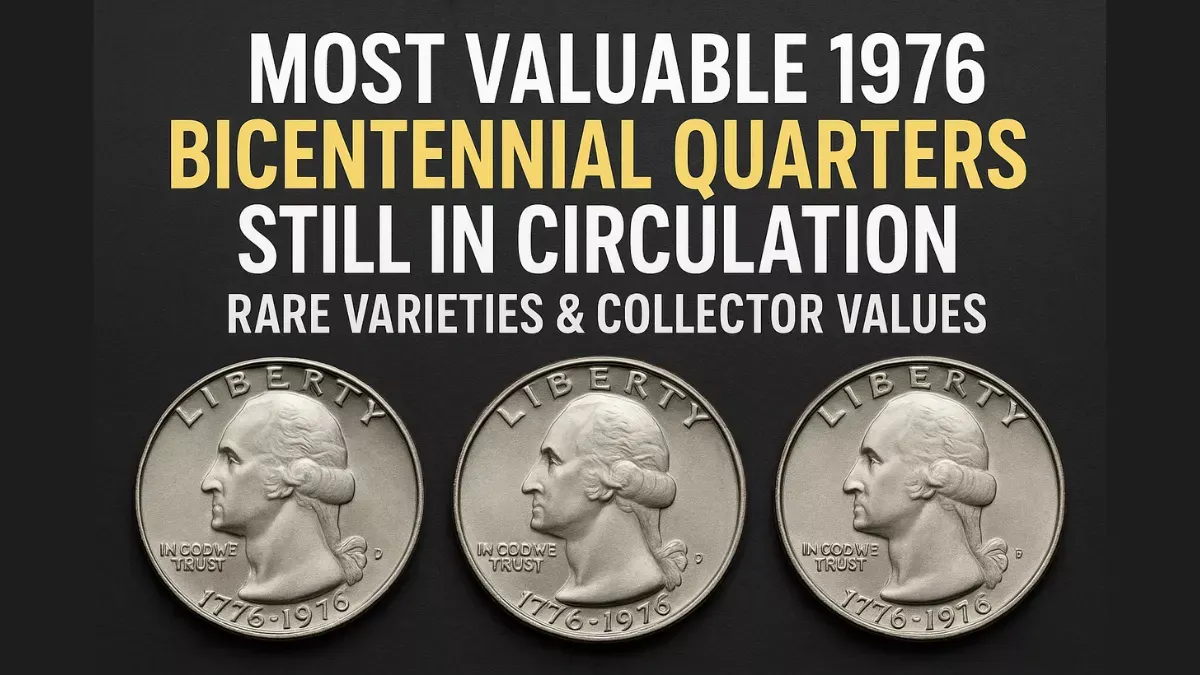
Rare Varieties / Collectible Editions
Not all Bicentennial Quarters are equally valuable. Here are the versions collectors look for:
- Silver Proof Quarters (1976 S): 40% silver, brilliant proof finish, perfect for investment.
- Uncirculated Mint Sets (Philadelphia & Denver): Pristine condition, sold in sealed mint sets.
- Error Coins: Examples include double die obverse, missing stars, or misaligned rims.
- High-Grade Circulated Coins: Even circulated coins graded MS65 or higher can be valuable.
Tip: Condition is everything. A rare Bicentennial Quarter in excellent condition can sell for hundreds of dollars, while standard circulated coins remain worth face value.
How to Identify a Bicentennial Quarter
- Look for the dual date “1776–1976” on the obverse.
- Check the reverse for the colonial drummer design.
- Inspect mint marks—Philadelphia (no mark), Denver (D), San Francisco (S).
- Examine condition: coins with scratches or wear are less valuable.
- For silver proofs, check the edge for a brighter, shinier finish and slightly heavier weight.
Comparison with Other Quarters
Compared to standard Washington Quarters:
| Feature | Standard Quarter | Bicentennial Quarter |
|---|---|---|
| Date | Single year | 1776–1976 |
| Reverse Design | Eagle | Colonial drummer & 13 stars |
| Collectible Value | Low | Moderate to high |
| Special Editions | None | Silver proofs & error coins |

Collectors appreciate the Bicentennial Quarter for its historical significance and unique design, making it more collectible than regular quarters from the same era.
Current Value and Market Trends
Circulated Quarters: Face value ($0.25)
Uncirculated / Mint Sets: $5–$20, depending on condition
Silver Proofs: $10–$50 or more
Rare Errors: Can fetch hundreds, sometimes over $500
Market trends indicate that Bicentennial Quarters in pristine condition continue to grow in demand, particularly among collectors who focus on historic U.S. coins.
Tips for Collectors
- Store coins in acid-free holders or coin flips to maintain condition.
- Check mint marks carefully; rare varieties often depend on mint origin.
- Consider professional grading if your coin appears to be in perfect condition.
- Keep an eye on auctions and collector marketplaces to gauge value trends.
Final Thoughts
The 1776–1976 Bicentennial Quarter is more than a coin—it’s a tangible piece of American history. While most remain in circulation, rare silver proofs and error coins have quietly become collectors’ treasures. Whether you’re just starting your coin collection or checking your pocket change, you might be holding a piece of history that’s worth much more than its face value.
Start examining your change today—you never know what hidden treasure you might find!
FAQs
How can I tell if my Bicentennial Quarter is rare?
Look for silver proofs, mint marks, or unique errors. Condition also affects value.
Are circulated Bicentennial Quarters worth anything?
Standard circulated coins are usually worth face value ($0.25).
Where can I sell rare Bicentennial Quarters?
Auction sites, local coin shops, or professional numismatic dealers.
Do all Bicentennial Quarters have the “1776–1976” date?
Yes, every official Bicentennial Quarter carries the dual date.


